Make a donation
Menu
Join The Family!
Sponsor a family. Follow their story. Be part of their protection.
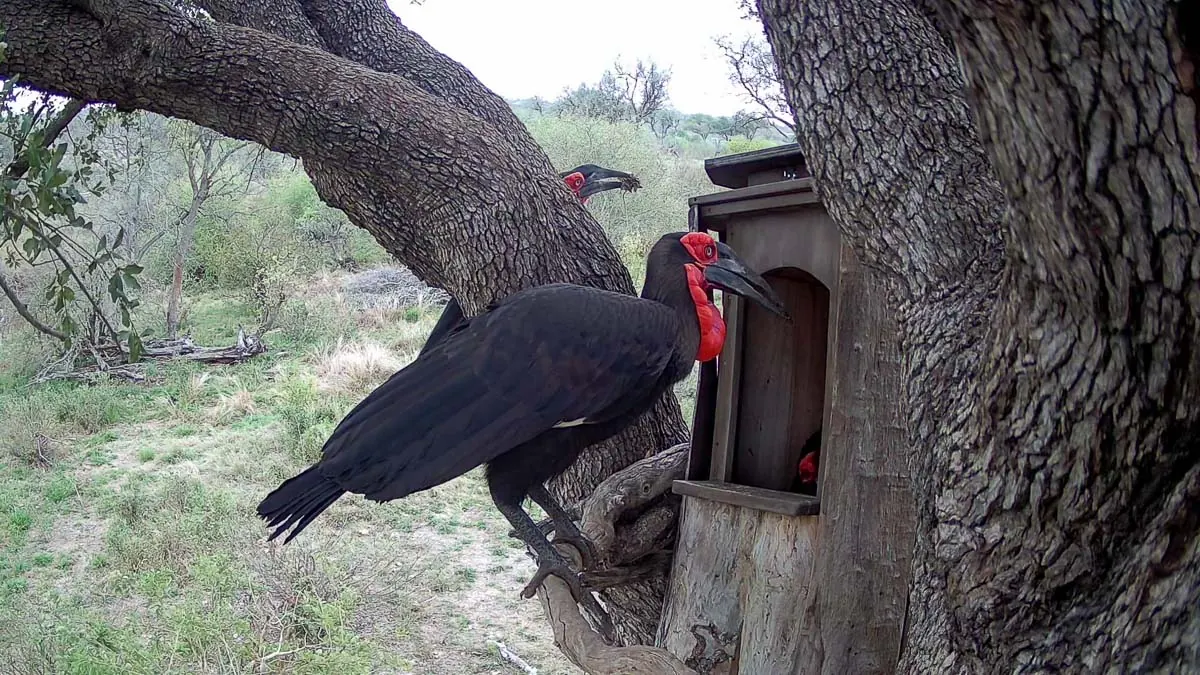
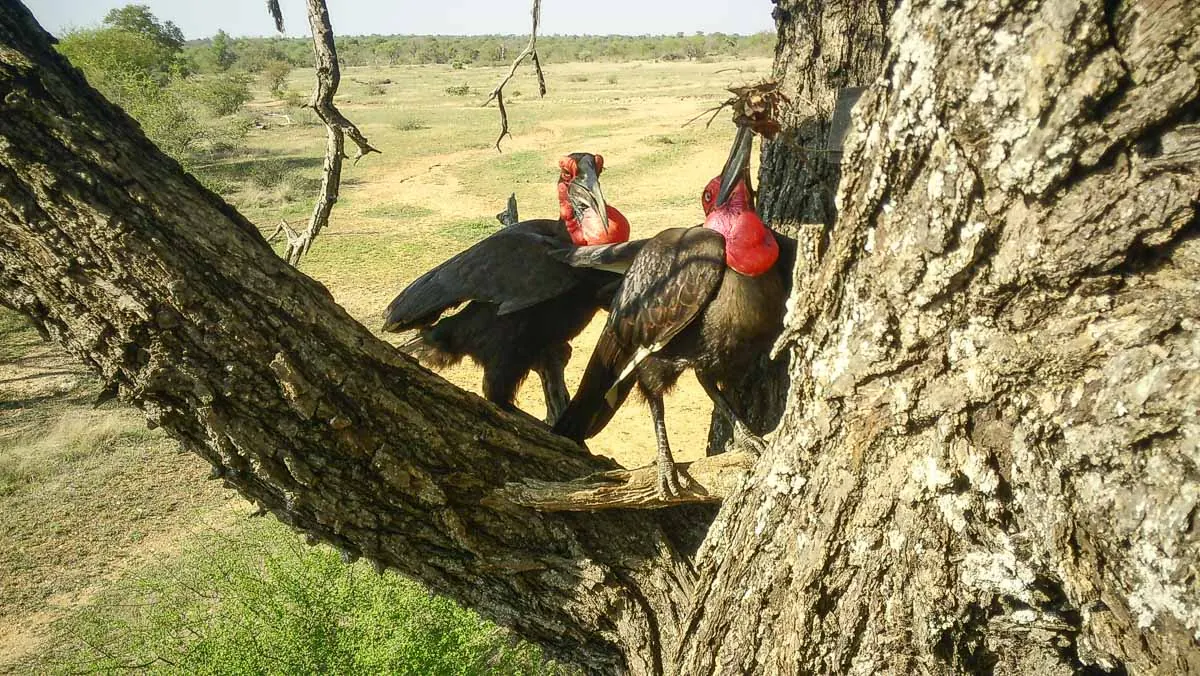
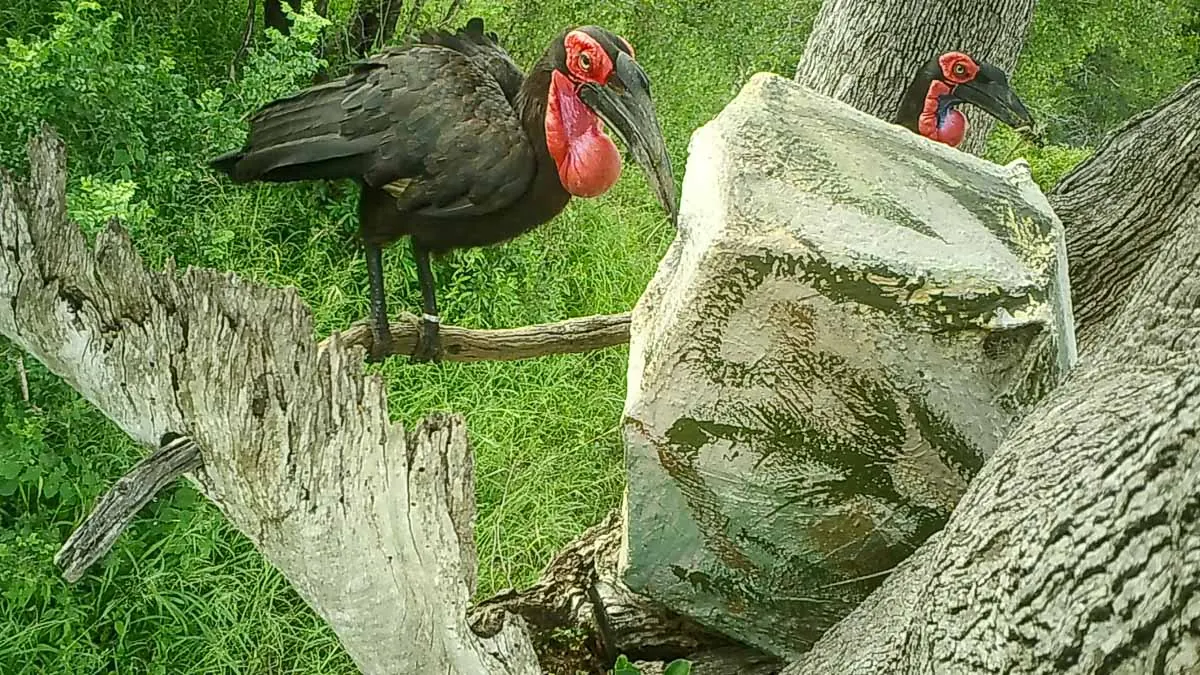
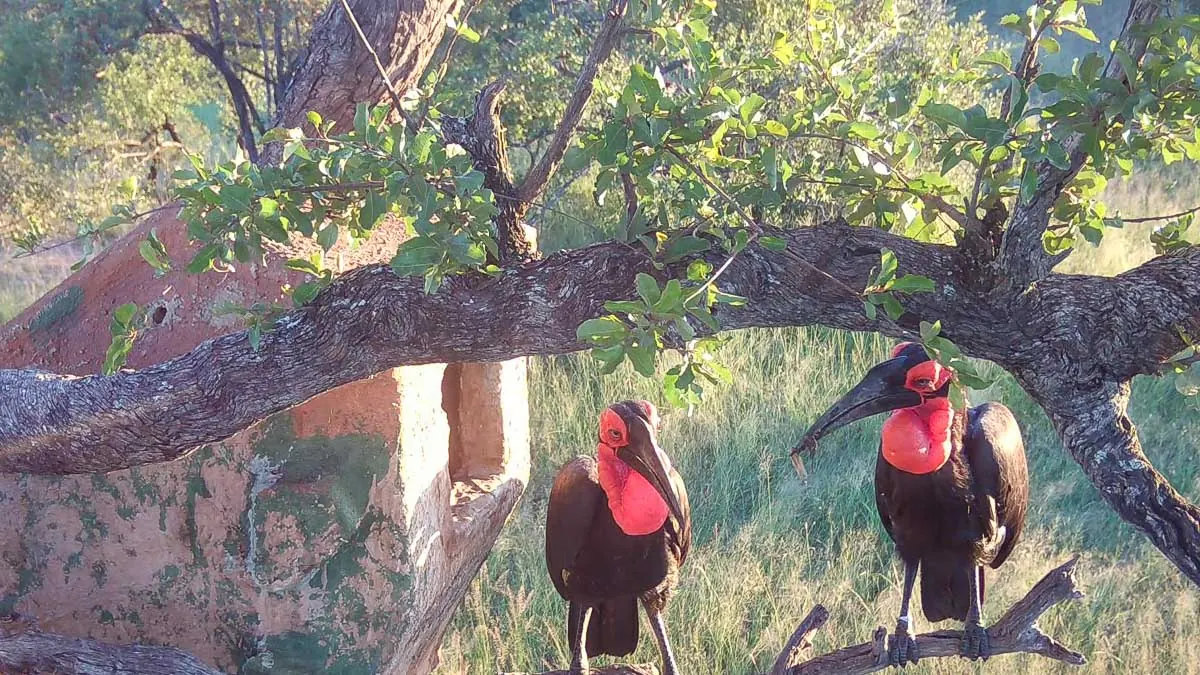
With their striking black plumage, bright red faces and deep, booming calls, Southern Ground-Hornbills are iconic birds of the African savanna. They also have a fascinating family life. The alpha, breeding pair gets support from the entire family, with younger helpers who stay rather than leaving to raise their own brood. While the female incubates, the whole group brings food, defends the nest, and raises the next generation together. This family arrangement is called cooperative breeding and occurs in only around 9% of bird species.
‍
This season, we are inviting you to join a family and become part of the daily life of your sponsored family group for the entire breeding season.
From November through to April, you follow your adopted family through the ups and downs, successes, dramas and challenges involved with raising the newest member of the family.
Questions? Email us!

Why sponsor?

Will they attempt to breed? Will a chick hatch? What will their behaviour reveal?
This is the first time you have the opportunity to get an answer to these questions and follow the compelling stories of these fully wild family groups. You'll gain unique, behind-the-scenes insights into the family dynamics of these extremely long-lived birds.

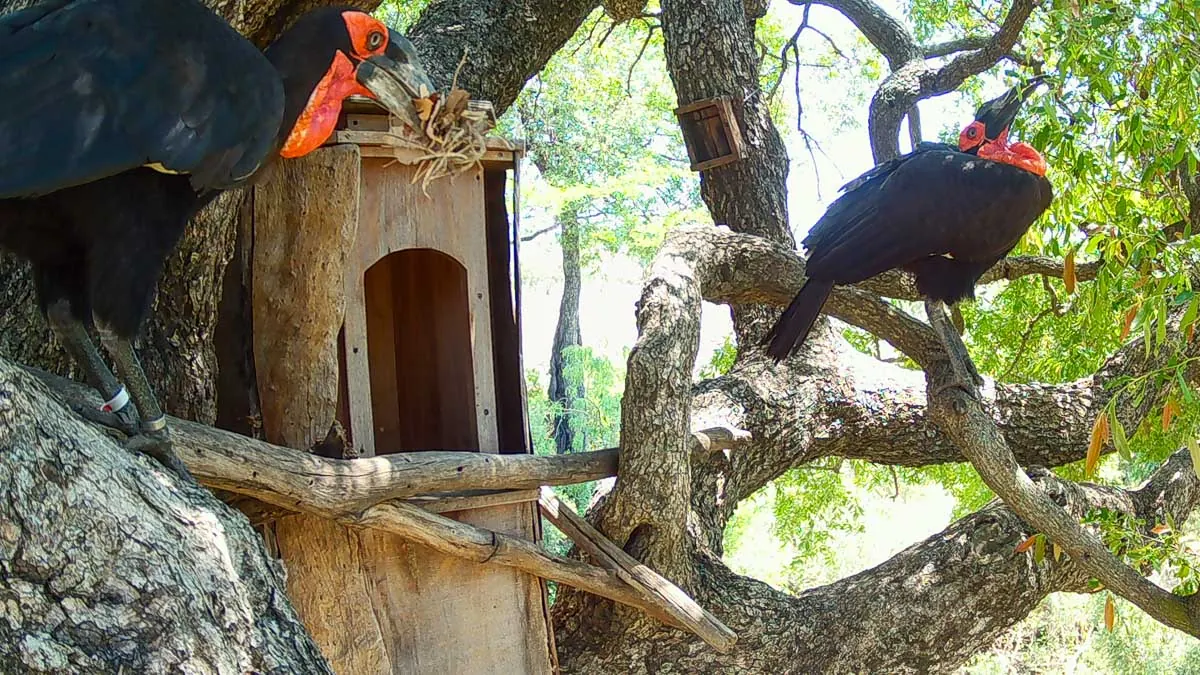
From the first signs of an egg to the moment the new chick is ready to fledge, the nest cam records everything and you'll get to be there for all of it!
‍
There’s a lot at stake.

Southern Ground-Hornbills are Endangered in South Africa, threatened by habitat loss, the loss of nesting sites, climate warming, and even poisoning and persecution. They also breed incredibly slowly, typically raising just one chick every three to five years, so every chick counts.

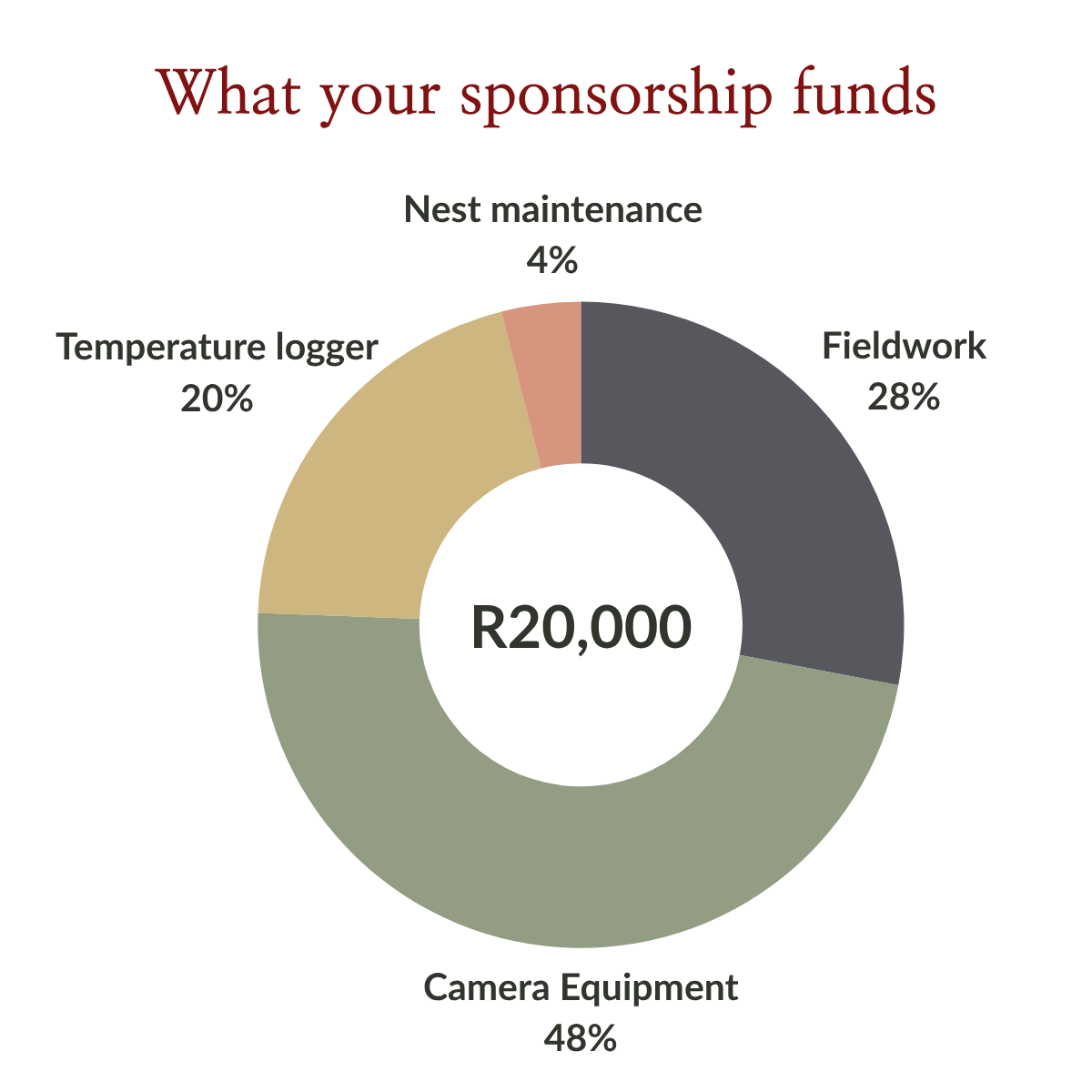
Your sponsorship helps ensure that a ground-hornbill family has a safe place to breed and raise its young, while supporting vital monitoring throughout the breeding season. By funding nest maintenance, camera traps, field visits and temperature loggers, you become an integral part of our legacy of 25 years of continuous monitoring.

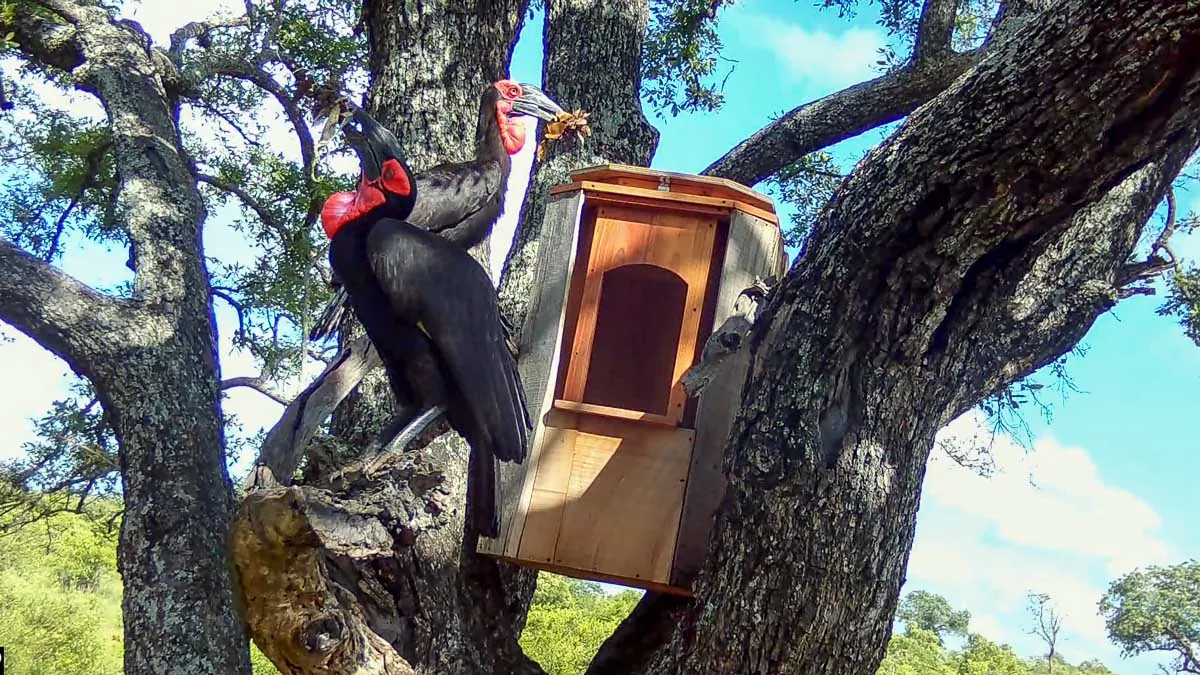
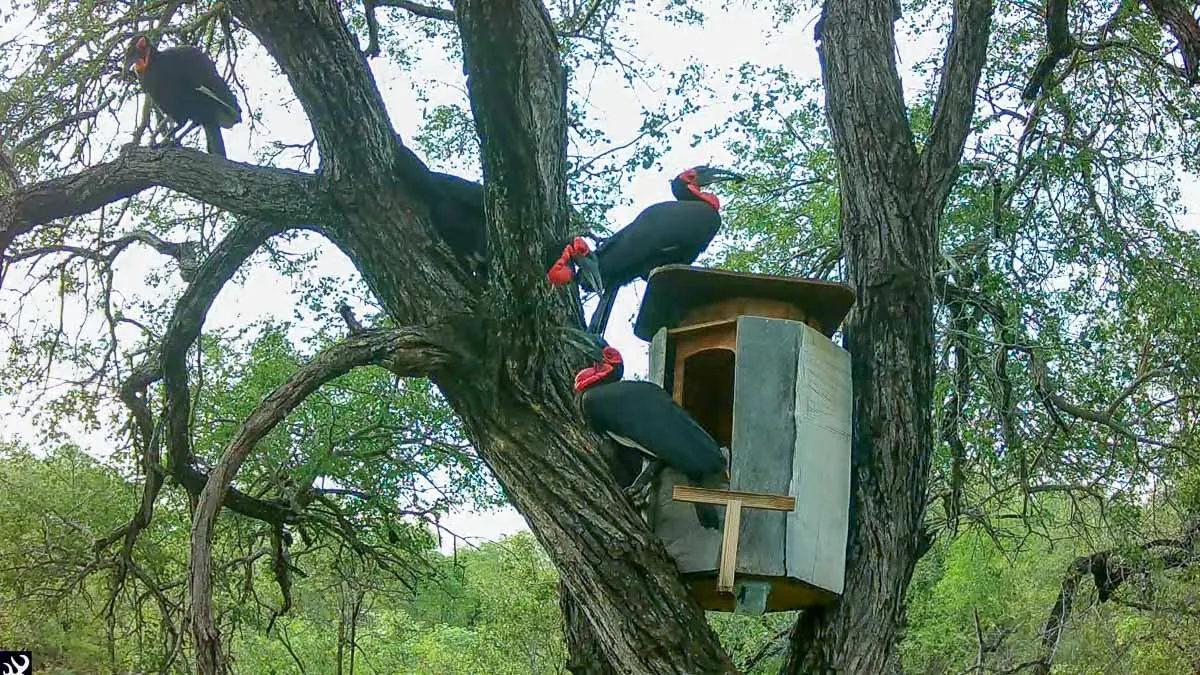
The nest boxes and information we collect helps us understand why some breeding attempts succeed while others fail, and what we can do to improve their chances. So far, these efforts have resulted in a tripling of the APNR population in 25 years: from around 50 individuals to approximately 160 today.

By supporting this work, you’re helping build the knowledge needed to keep that progress going.
What you will receive
The breeding season runs through the southern summer, from November to April. While you are enjoying your own family time during the holidays, your adopted family will be doing exactly the same thing: raising the next generation, forging lifelong family bonds and memories.

And you'll be there for all of it!

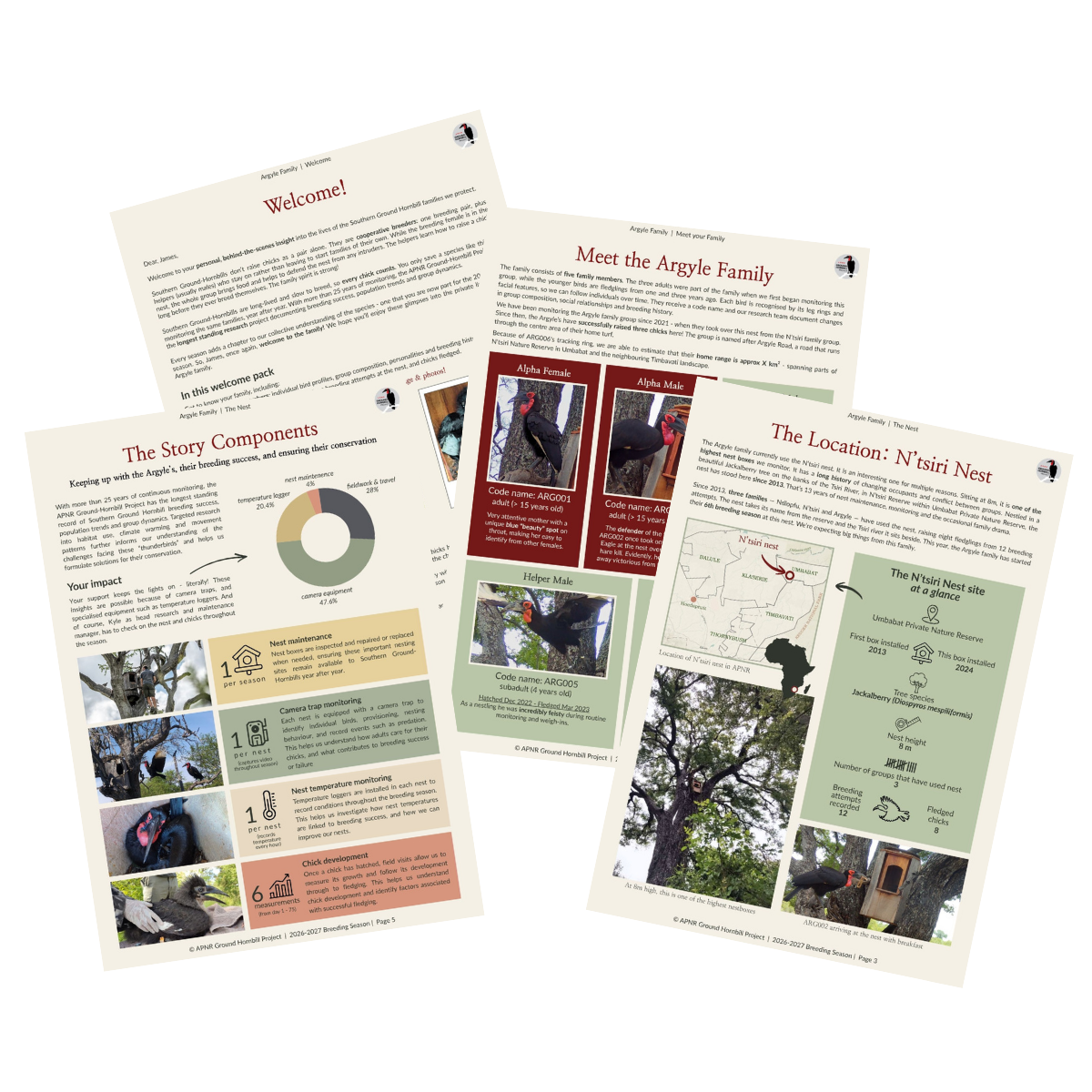
Episode 1: Welcome Pack

Your Welcome Pack introduces you to your family:
Individual bird profiles, their personalities, group dynamics, and the history of how they came to use their nest.
Episode 2: Hatching Update

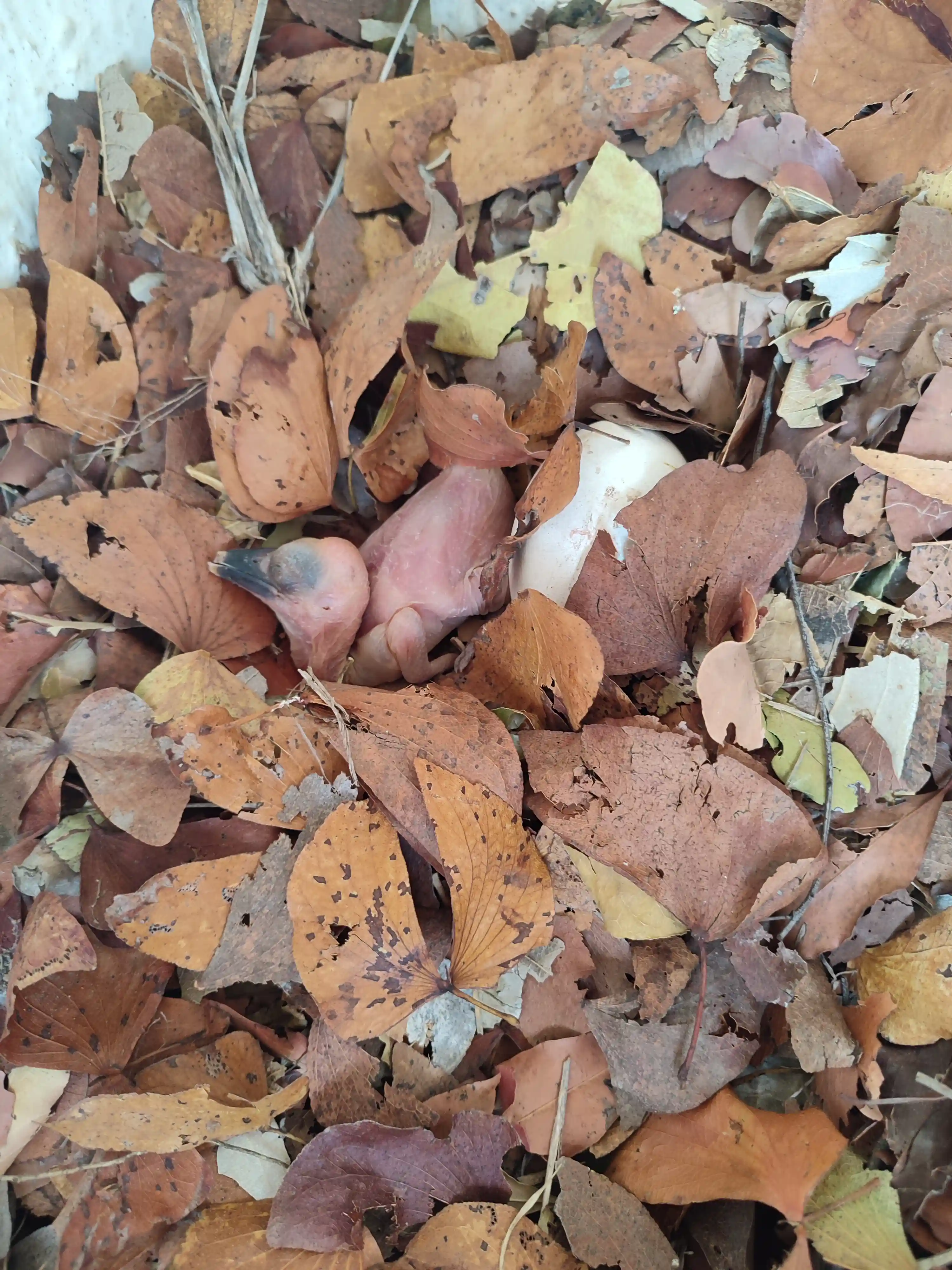
A few weeks into the season, you'll receive your first update, covering nest activity, hatching (if successful), and camera trap highlights.
Episode 3: Mid-Season Update

Your mid-season update arrives when the chick is around 40 days old, with photos, chick development notes, feeding activity, and more nest cam footage.

Episode 4: Season Summary

If the chick successfully fledges, you'll receive a season summary with photographs, a chick growth graph, highlights from the nest, and a Window into the Wider Project, giving you a look at what has been happening at other monitored nests across the APNR.

Bonus Chapter: Avoid Empty Nest Syndrome

Want to follow your family's fledgling into 2027? Our Family Sponsors will receive an exclusive invite and first access to a Tracking Sponsorship. This directly supports the placement of GPS tracking rings on new fledgelings, so you can keep following your family's chick long after fledging - into the next breeding season.
‍As all birds are completely wild, we can never predict predation or environmental-related impacts. If at any point during your sponsorship the chick in your family doesn't make it, we will be in touch and offer you the opportunity to follow a nearby family.

Choose your family

Look through this season's breeding families and choose which one you would like to join!

You can secure your sponsorship by donating R20,000.

All donations are processed privately and securely through Wild Wonderful World Conservation, using PayFast as their secure payment platform. USA-based donors also have the option to donate via PayPal, and receive 501(c)(3) tax deductible certificates.

Wild Wonderful World Conservation NPC is a registered PBO in South Africa.
Registration: 2021/940586/08 | PBO number: 930 074 047

Wild Wonderful World Conservation Inc is a registered non-profit 501(c)3 charity in the United States.
EIN: 93 - 2309671
Argyle Family
About us: A five-member family spanning two reserves, with one GPS-tracked individual and a former food thief who has turned over a new leaf. Having successfully fledged three chicks from their current N’tsiri nest, we've got high hopes for this season's breeding success.

Filming location: The N'tsiri Nest, Jackalberry, on bank of Tsiri river in N'tsiri Nature Reserve - South West Umbabat Private Nature Reserve.
Sponsor Argyle Family!
Karan Khaya Family
About us: The project’s most prolific breeders, with 17 chicks fledged across 21 attempts, currently mid-leadership transition after a dramatic 2024 takeover.  With a new female in charge and a family dynamic that's still evolving, we're expecting more drama this season.

Filming location: The Karan Khaya Nest, Knobthorn, on the bank of Sekgobela river - Northern Timbavati Private Nature Reserve.
Ingwelala Family
About us: The newest family in the programme, monitored since 2024, using a brand-new nest box in its very first season. Food source of choice: large chameleons.

Filming location: The Mermaid Nambu Nest, Leadwood, near the Nhlaralumi river by Mermaid crossing on Ingwelala - Central Umbabat Private Nature Reserve.
Strydom Family
About us: A first-time alpha female who spent years on the sidelines before finally breeding in 2025, and a youngster who climbed back into the nest after leaving too early.

Filming location: The Klaseriemond Nest, Knobthorn, on border with Klaseriemond farm - North Eastern Klaserie Private Nature Reserve.
Sponsor Strydom Family!
Rhino Road Family
About us: Home to the heaviest chick ever recorded in the project, at over 4 kg, and a helper who specialises in bringing snakes to the nest. Monitored since 2010, the alpha male is one of the most experienced individuals we follow.

Filming location: The Addger Nest, Leadwood,  close to the Kruger Park border - Eastern Timbavati Private Nature Reserve.
Johnniesdale Family
About us: The project’s largest family, with seven members spanning four years in age and a new alpha female whose origins remain something of a mystery. Between a reformed food thief, an unusual female helper, a surprise chick and a complete outsider, this family is very much an unusual bunch.

Filming location: The Avoca Nest, Jackalberry, on the bank of a small dry riverbed - Southern Timbavati Private Nature Reserve.
Java Family
About us: The alpha female killed her predecessor while she was incubating eggs... an event never before recorded in our project. The alpha male, meanwhile, seems to have taken it all in his stride, accepting her as his new partner regardless!

Filming location: The Yankee Dam Nest, Appleleaf, on the bank of the Tsiri River, near Yankee Dam - Western Umbabat Private Nature Reserve.